It is widely known that many security guards lack proper training, which can lead to serious consequences. These professionals are often left to learn through trial and error, compromising safety, legality, and effectiveness.
That’s why completing structured programs such as the Security Guard Training Course in Sydney is essential for anyone entering the industry.
It is crucial to ensure that each security professional receives comprehensive training. This means equipping guards with real-world skills—not simply ticking off checkboxes.
Effective security training prepares guards for everything from routine procedures to crisis situations.
Table of Contents
ToggleImportance of Security Guard Training
If you are considering a career as a security guard, completing accredited training is mandatory.
To obtain a licence, most students must complete recognised programs such as the NSW Security Licence Course.
This training ensures that guards understand:
- Industry protocols
- Emergency response
- Legal responsibilities
- Conflict management
Training is not just a requirement—it’s preparation for the real world.
What Training Do You Need to Be a Security Guard?
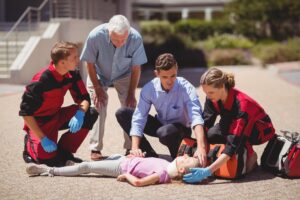
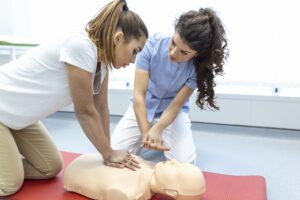
1. First Aid & CPR Training
First aid certification is a legal and practical requirement.
Many trainees complete the First Aid Course before applying for licensing.
Being trained in CPR saves lives and reassures the public.
2. Security Guard Licence Training
In NSW, licensing depends on completing SLED-approved courses.
New students usually begin with the Certificate II in Security Operations.
This qualification allows candidates to apply for the Class 1A licence and work in unarmed security roles.
Types of Security Guard Training
1. Basic Training
Introduces legal responsibilities, ethics, and patrol techniques.
2. Occupational Health & Safety (OHS)
Includes workplace hazards, emergency protocols, first aid, and fire prevention.
3. General Security Training
Covers surveillance, access control, reporting, and communication.
Students looking to level up often progress to the Certificate IV in Security Risk Management for leadership roles.
Key Components of Security Guard Training Programs
Fundamental Security Skills
Guards learn risk assessment and threat identification.
Communication Training
Includes public interaction, conflict handling, and customer service.
Emergency Response
Medical response, evacuation, and disaster awareness.
Security Technology
CCTV, alarms, and access-control system training.
Legal Awareness
Guards are trained to operate lawfully and responsibly.
Hands-On Training
Scenario-based simulations build confidence.
Ongoing Development
Continual training improves job readiness and growth potential.
Training App Integration
Modern training uses mobile modules for:
- Self-paced education
- Virtual scenarios
- Incident reporting
- Skill tracking
Choosing the Right Security Training Provider
Before enrolling, evaluate the provider:
✅ Registered and SLED-approved
✅ Experienced trainers
✅ Up-to-date licensing knowledge
✅ Flexible learning options
✅ Post-training support
✅ Positive reviews
✅ Fair pricing
If you’re in Sydney, look for a provider offering recognised Security Courses Sydney.
Conclusion
Security training is not optional—it’s the foundation of professionalism in the industry.
Multisec Training provides:
- SLED-approved security courses
- National First Aid & CPR certification
- Industry-experienced trainers
- Job-ready results
If you want to build a strong future in security, the right training makes all the difference.
Also Read
✔ Best Security Course Training in Sydney
✔ Top Skills Every Security Guard Needs