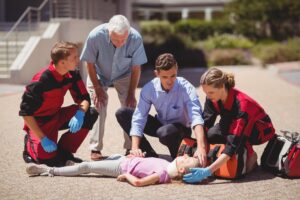
When someone collapses, we grab the first aid kit. We know exactly what to do: compressions, bandages, or calling an ambulance. We address the visible injury. But what happens when the injury isn’t visible when a person is overwhelmed, terrified, or simply in shock after a crisis?
This is where Psychological First Aid (PFA) steps in. PFA is an internationally recognised, evidence-informed approach designed to reduce immediate distress and support adaptive functioning in the wake of a traumatic event, accident, or disaster. It’s not counselling or therapy; it’s the first line of emotional support anyone can be trained to provide.
Table of Contents
ToggleWhat Exactly is Psychological First Aid?
Think of PFA as the “emotional bandage” for the initial shock. It is humane, supportive, and practical assistance provided to people who have suffered a serious crisis or stressor.
The core difference between PFA and traditional physical first aid is the target: PFA addresses acute distress, aiming to stabilize and ground a person immediately after a trauma, helping them feel safe, calm, and connected.
The goal of PFA is simple: Do No Harm and facilitate natural recovery by upholding five core principles: Safety, Calm, Connectedness, Self-Efficacy, and Hope. PFA is about practical, non-intrusive support. It means offering water, helping someone contact family, or simply sitting in silence listening, but never forcing them to talk.
PFA Training vs. Other Mental Health Courses
You might ask, “Isn’t that the same as Mental Health First Aid?” The answer is no, but they are complementary. Understanding the difference is key to knowing which psychological first aid training is right for you. PFA is focused on immediate crisis response after a traumatic event (hours to days after), such as an accident or disaster. Mental Health First Aid, conversely, is for identifying signs of developing long-term mental health issues (like depression or anxiety) in everyday life.
PFA is quick, focused, and designed for anyone from emergency responders to teachers, managers, and community volunteers who might be the first person a survivor encounters. It doesn’t require a first aid certificate NSW (or any state) to take the training, but having both traditional first aid and PFA skills makes you an invaluable responder.
Why Psychological First Aid Training Matters Now
In a world increasingly affected by natural disasters, workplace incidents, and high-stress environments, resilience is critical. Employers and communities are recognizing that psychological recovery is just as important as physical recovery.
By completing quality psychological first aid training, you gain the ability to:
- Minimise Long-Term Impact: Providing immediate calm and connection helps reduce the risk of long-term trauma responses.
- Support Your Team: In a workplace, PFA empowers colleagues to support each other during a critical incident, fostering a culture of care and reducing secondary stress.
- Act Responsibly: You learn what not to say and not to do (like pressuring someone to detail their experience), ensuring your help is constructive and respects the individual’s pace of recovery.
Becoming trained in what is psychological first aid is about extending your compassion with skills. It turns your intent to help into effective, evidence-based action.
Ready to add this essential skill to your repertoire and become a psychological lifeline? Explore Multisec Training’s range of courses, including Psychological First Aid, to bolster resilience in your workplace and community.